No. 10 (City of Palmerston North) Squadron
No. 10 (City of Palmerston North) Squadron - Air Training Corps was first formed in 1941, making it one of the oldest units in the country. The first parade night was 6:30pm on Wednesday, 10th December 1941, at the Palmerston North Technical High School. To continue that ongoing tradition the Squadron still meets on a Wednesday night but at the new time of 6:15pm- 9:00pm and at our new home located at the Linton community centre, Linton Camp.
Air Cadets is one of the three corps which make up the New Zealand Cadet Forces (NZCF). The NZCF is a voluntary youth organisation providing training to youth aged between 13 and 19 years old.
Our Mission
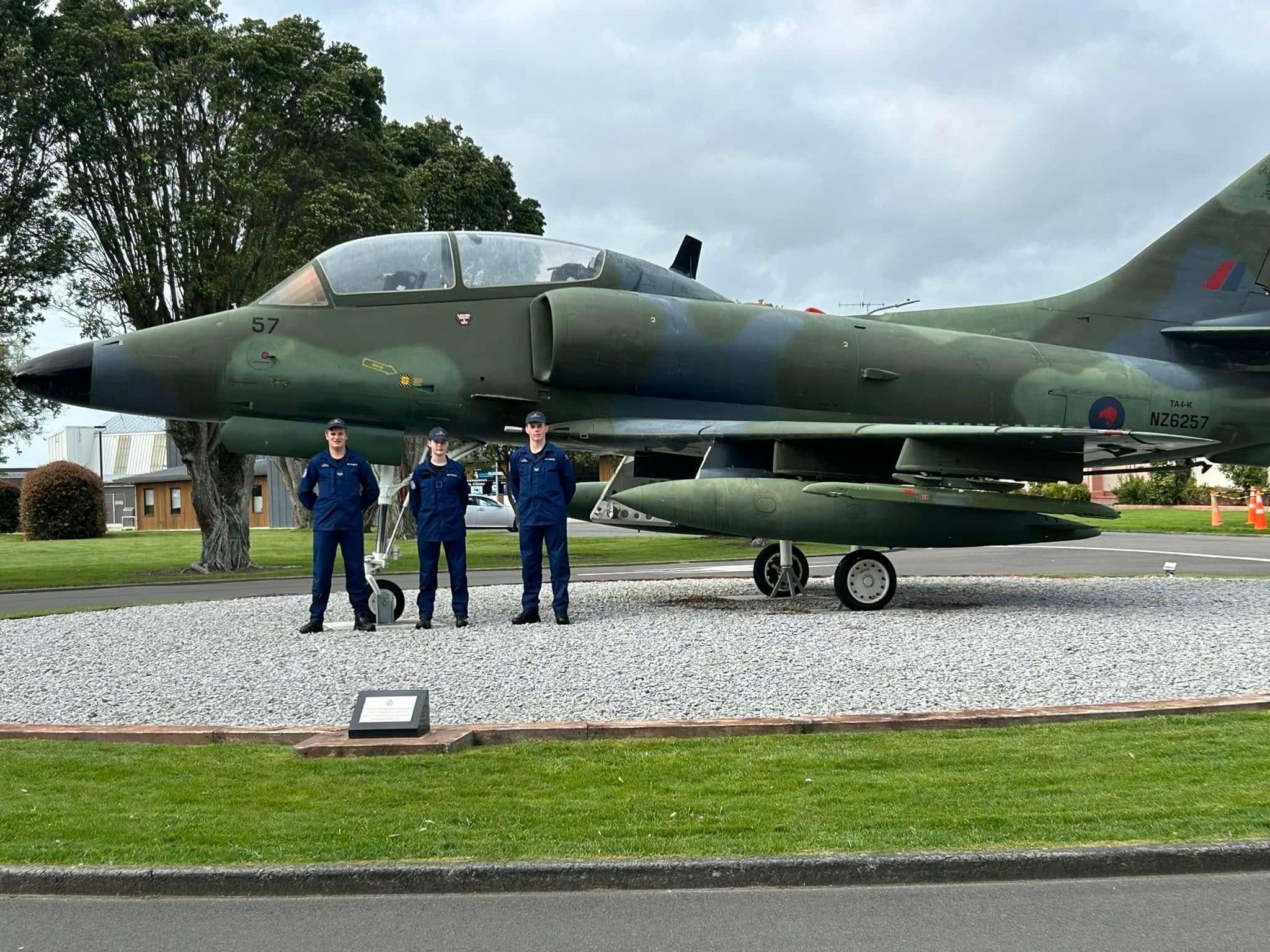
We empower young people in the wider Palmerston North area to become confident, capable, and responsible citizens through the unique discipline and leadership of the Air Training Corps.
Training & Skills
We provide a structured environment where cadets develop technical and life skills, physical fitness, and a deep understanding of aviation principles, and various other skills.
Leadership Development
We cultivate leadership and teamwork by challenging cadets to take initiative and work effectively within diverse environments.
Core Values
By using the cornerstones of Integrity and Respect we provide a learning environment that enables Cadets to transfer these values into everyday life.
Community Impact
Through our Support Committee and local partnerships, we grow and strengthen the fabric of our community while fostering future leaders.
Discipline and Focus
through Squadron tradition and connection to our Military Heritage we help prepare our young people for the rigors of life and careers through key concepts of self-discipline and focus.
Our Core Activities
Parade Night
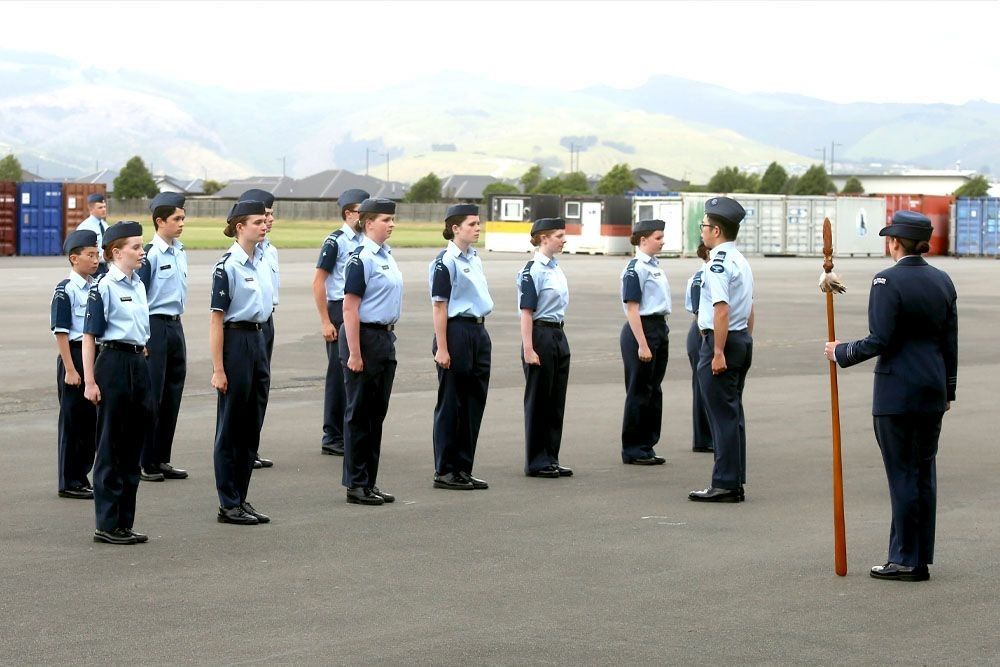
Each unit holds Parade Nights weekly during the school term, typically running for 3–4 hours. The evening begins and ends with a formal parade following the Royal New Zealand Air Force (RNZAF) format. The opening parade includes the raising of the RNZAF Ensign, uniform inspections, and a briefing on the night’s activities. The closing parade involves lowering of the Ensign and updates on upcoming unit events. Between parades, cadets take part in classroom lessons or practical training, building their knowledge and skills across a range of subjects.
Powered Flying
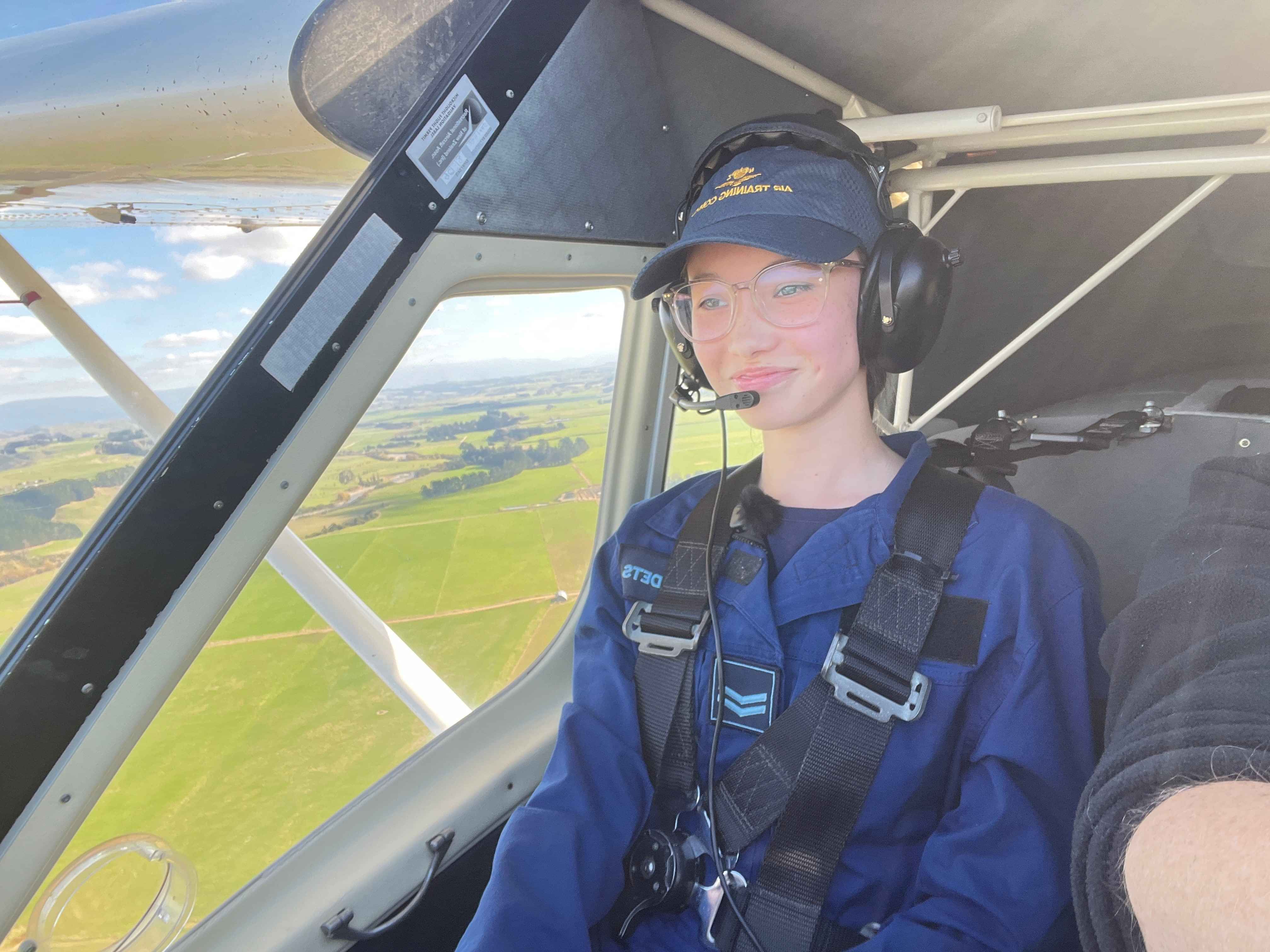
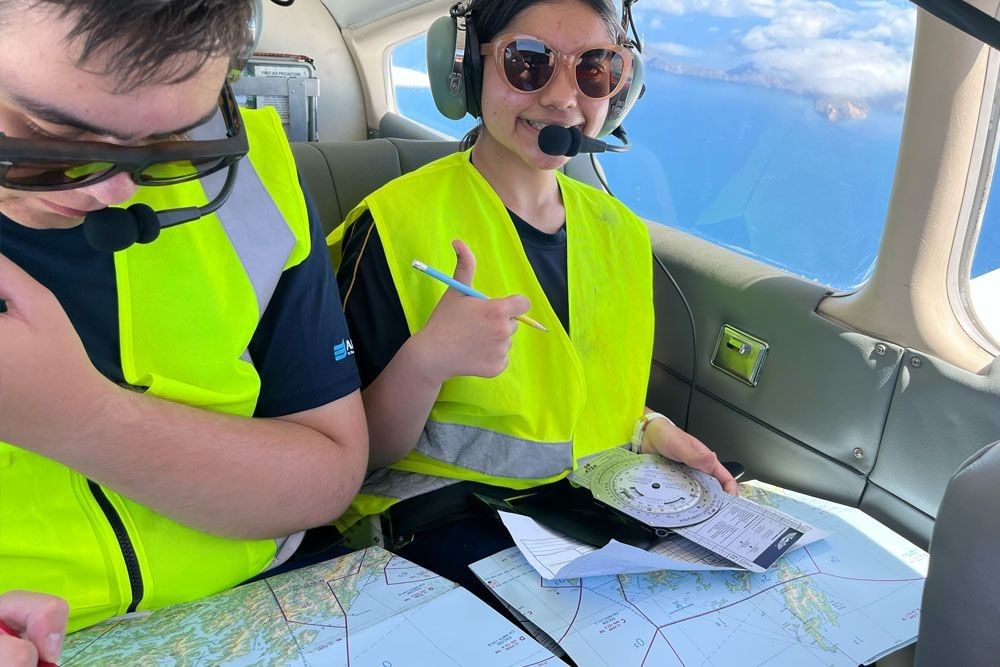
Air Cadet Units teach aviation theory as part of the parade night training, and units typically organise practical Flying Training for the cadets in partnership with local Aero Clubs. There is an annual National Aviation Course, consisting of separate Flying and Navigation courses where cadets will get to meet and fly with other Air Cadets from around New Zealand.
Gliding
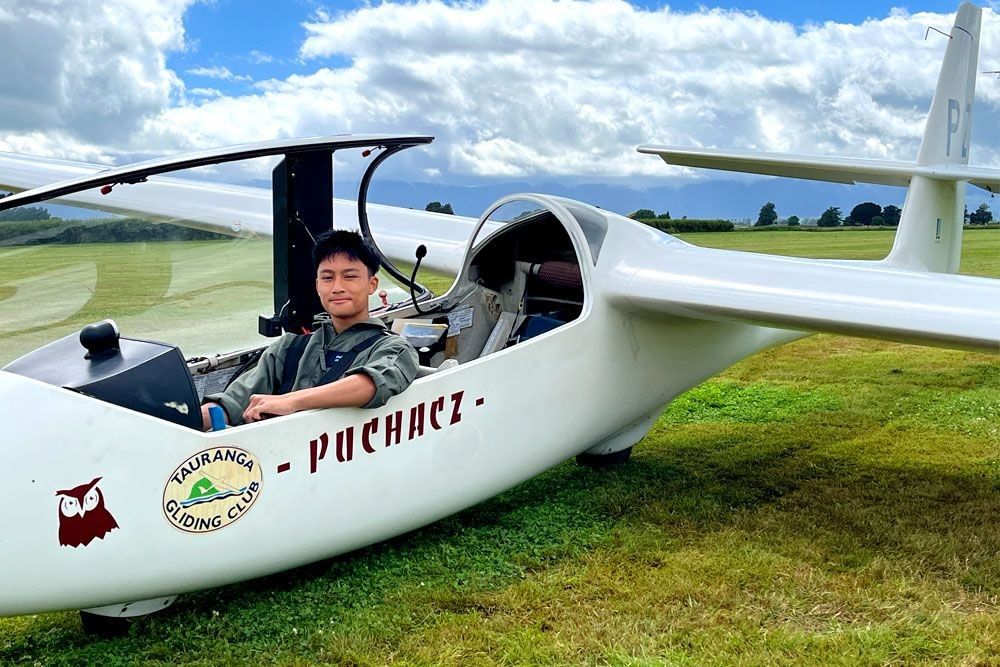
As with flying, gliding training is organised by the unit in partnership with local clubs and is one of the most common activities conducted at Unit level. Gliding is a fantastic opportunity for cadets to learn the basic skills involved in aviation before they get into a powered aircraft, and the National Gliding Course is available for those who want to take their passion for flying further.
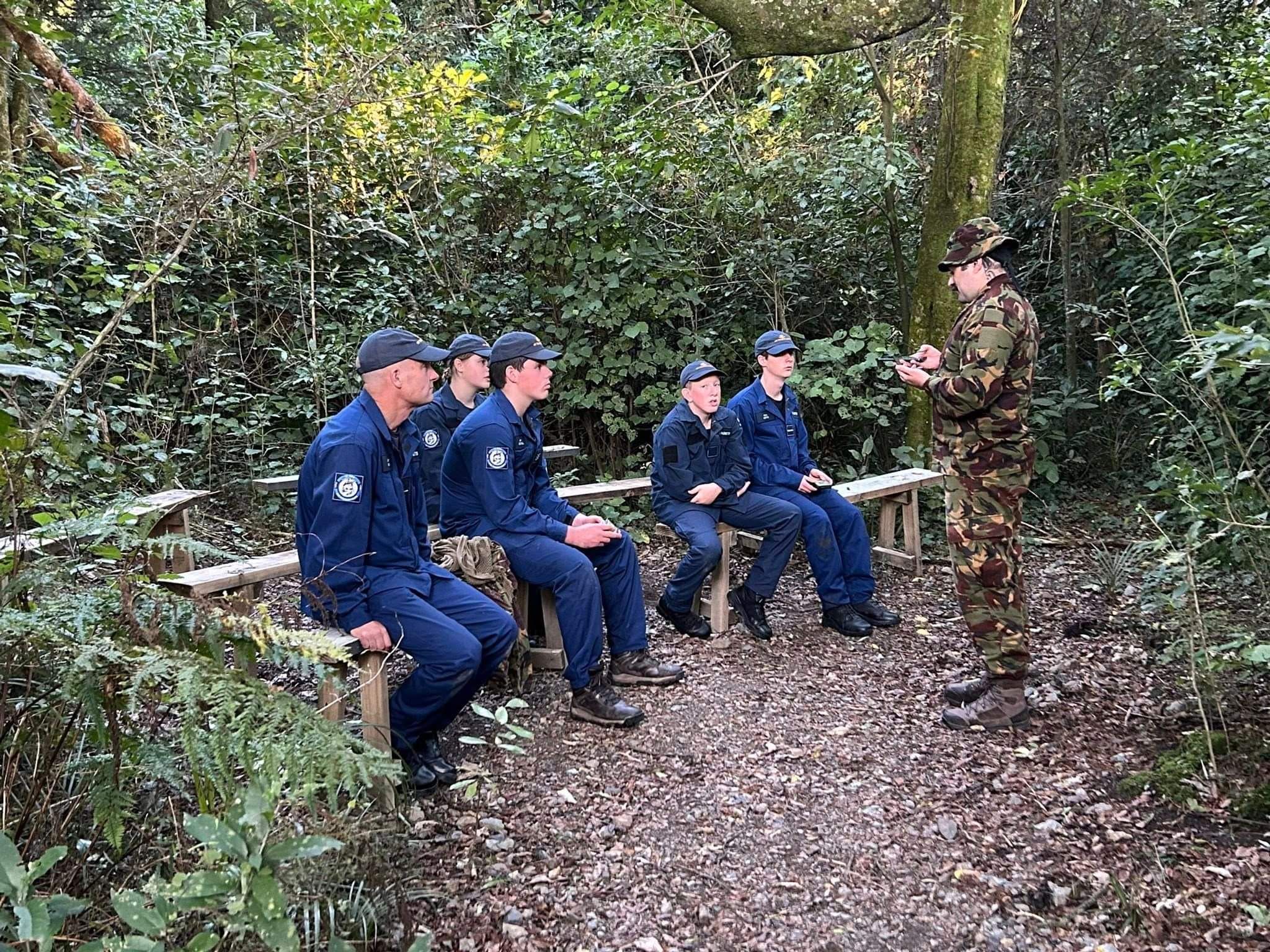
Bush Craft
Air Cadet Units give their cadets the opportunity to become skilled and comfortable in the bush environment. Theory lessons and scenarios are supported with camps run throughout the year, each providing new and exciting activities and skills.
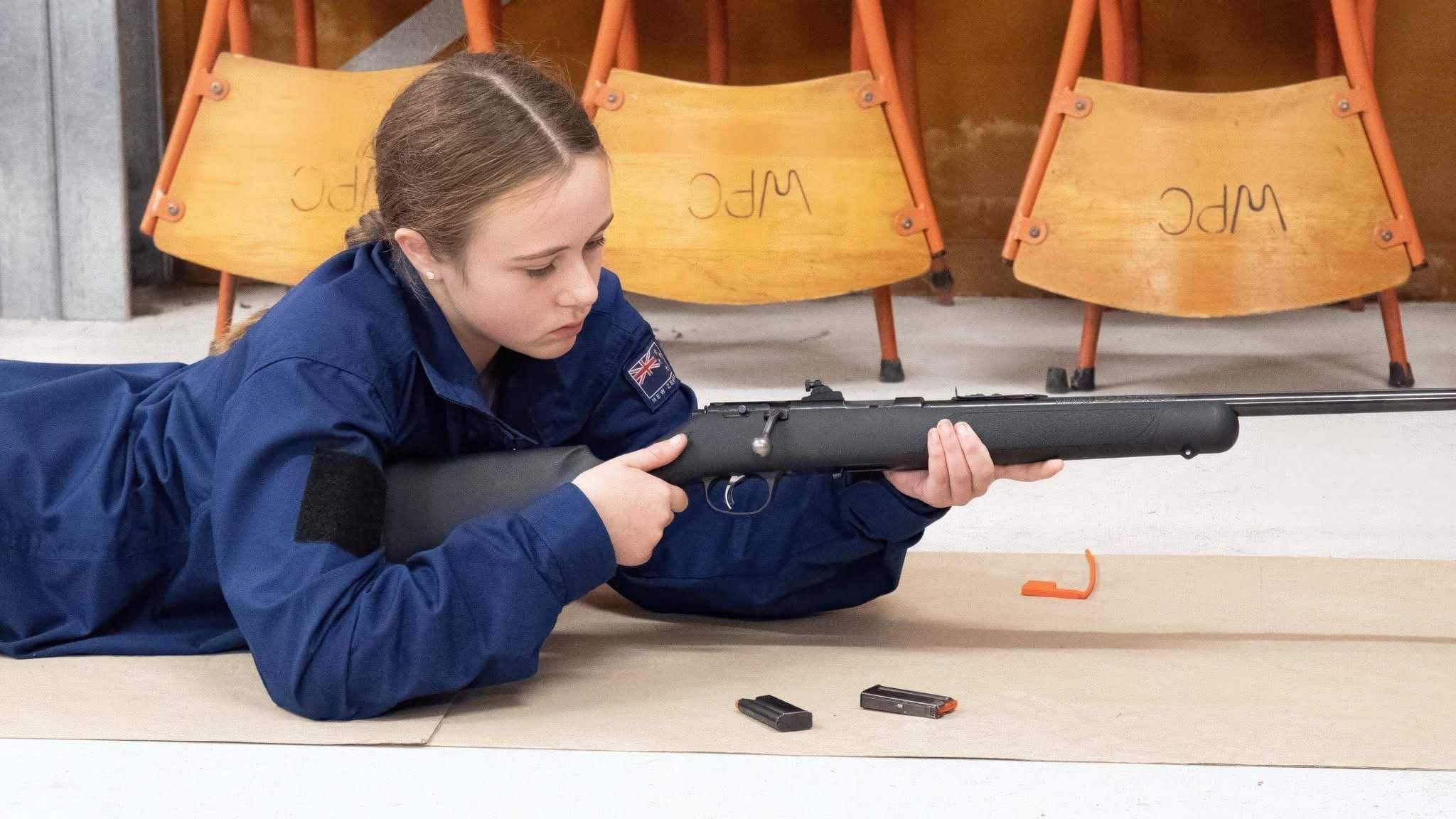
Firearms Safety And Marksmanship Training
Units conduct regular firearms safety training with .22 calibre smallbore target rifles. This training also further develops self-discipline, confidence and teamwork that becomes beneficial during National and International Cadet Shooting Competitions. Cadets must pass a strict TOET (Test of Elementary Training) before being allowed on the range. Cadets can be awarded skills badges in Rifle Proficiency, First Class Shooting and Marksmanship as their shooting skills develop.
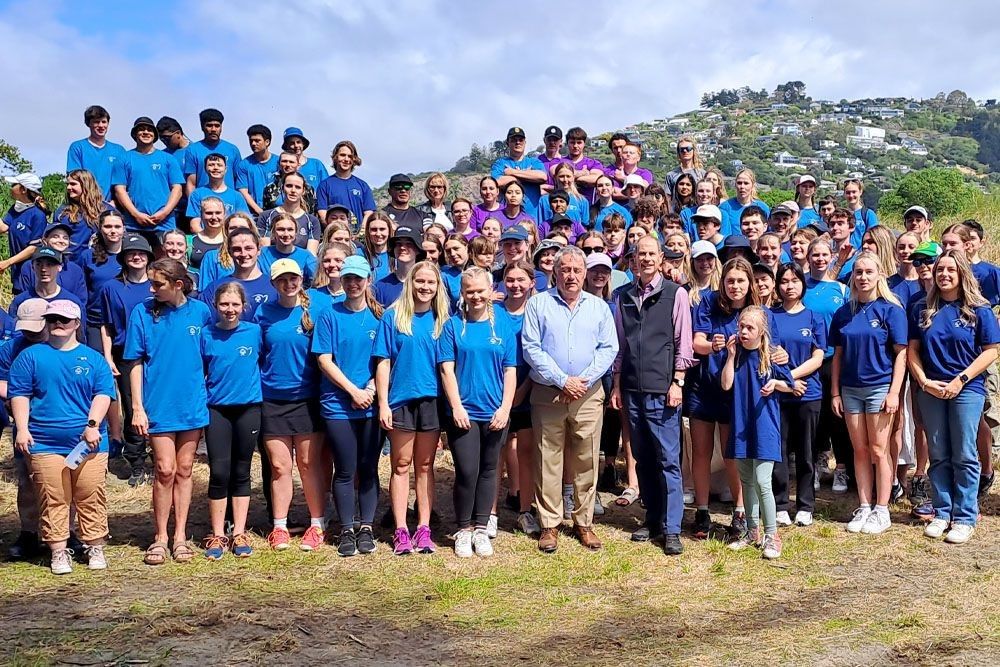
Duke Of Edinburgh
All training provided by the NZCF can be cross-credited to those who are working towards their Duke of Edinburgh’s Hillary Award, with badges awarded to those who complete the Bronze, Silver or Gold Award.
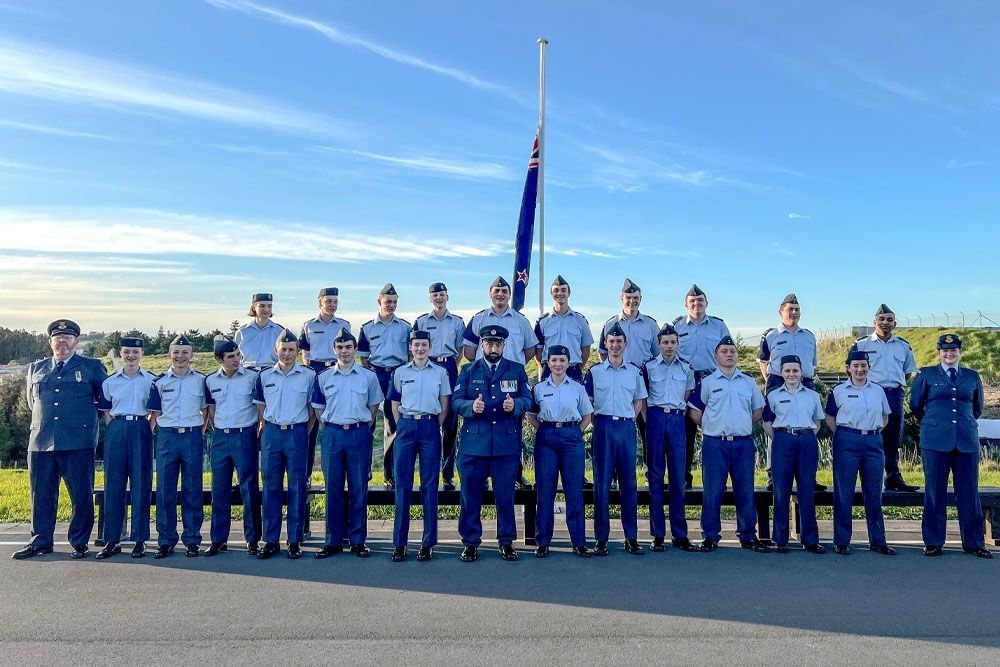
Cadet And General Service Knowledge
Cadets begin their journey by learning the core foundations of service. Ranks, roles, uniform standards, parade customs, and the history of the NZCF and their parent service are all covered. This shared knowledge builds confidence, discipline, and pride, setting the tone for everything that follows in their cadet training.
Aviation Syllabus
Cadets will learn aviation history, how engines work, aircraft technology, air navigation, air field layout, weather maps, aviation radio and more.
Common Training
Beyond the exciting experiences you will have as a cadet, you will also gain valuable training in leadership, discipline, and personal development which are all skills that will set you apart when you head to university or begin your chosen career.
Every cadet receives a core programme of common training, designed to ensure a consistent foundation of knowledge and capability across all units.
NZCF Common Training includes, but is not limited to:

First Aid
Drill and Ceremonial Training
Firearms Safety and Marksmanship Training
Leadership
Radio Usage and Drones
Physical Training and Fitness

Uniform Care and Maintenance
Teamwork Skills
Navigation
Cadet Forces and General Service Knowledge
Risk Management and Safety
Community Involvement, including at Commemorative Events such as ANZAC Day.
A snapshot of ATC life
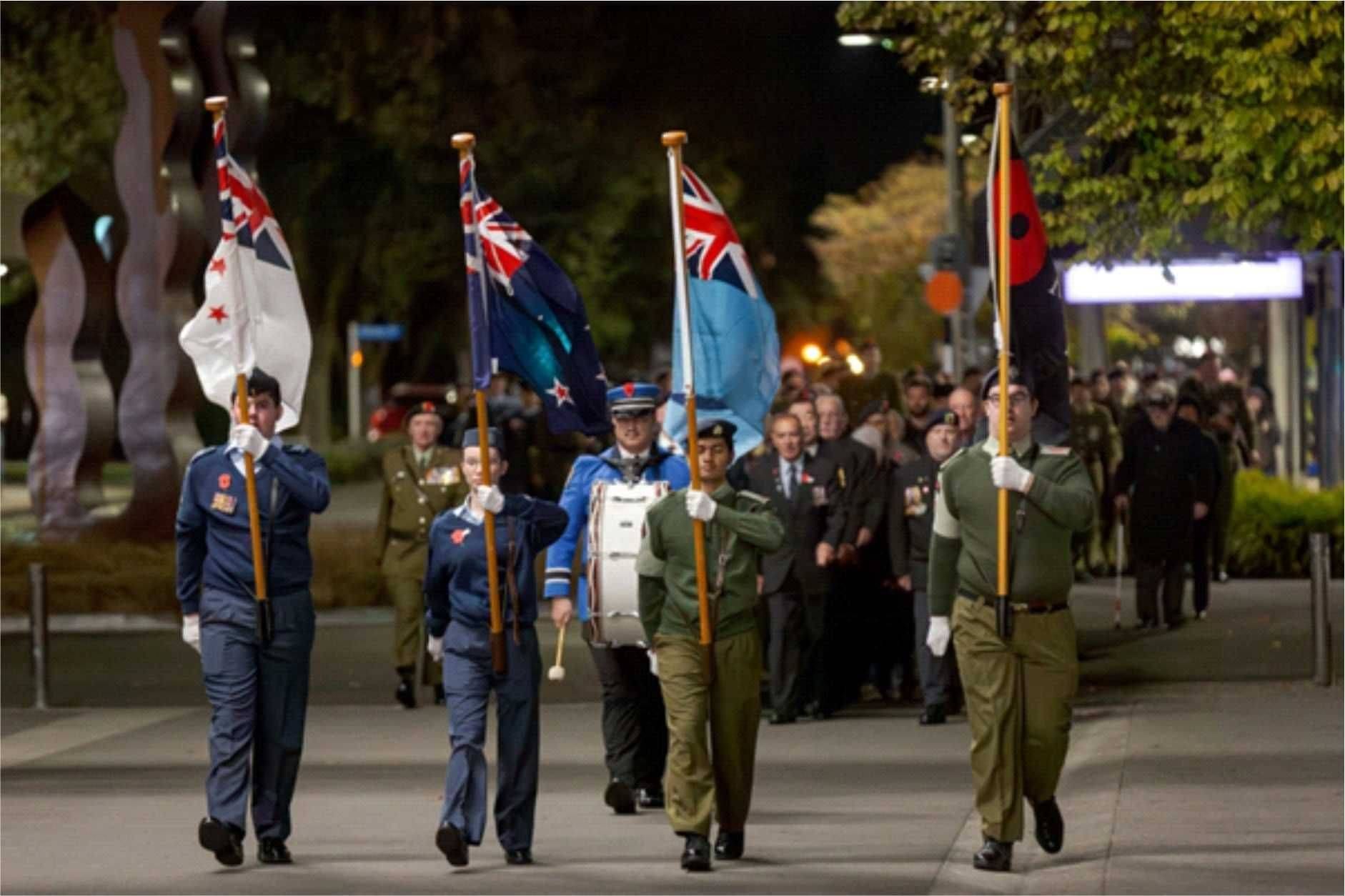
ANZAC Dawn Parade
Cadets can take part in the Dawn Service in different ways, being a flag bearer is one way.
A snapshot of ATC life
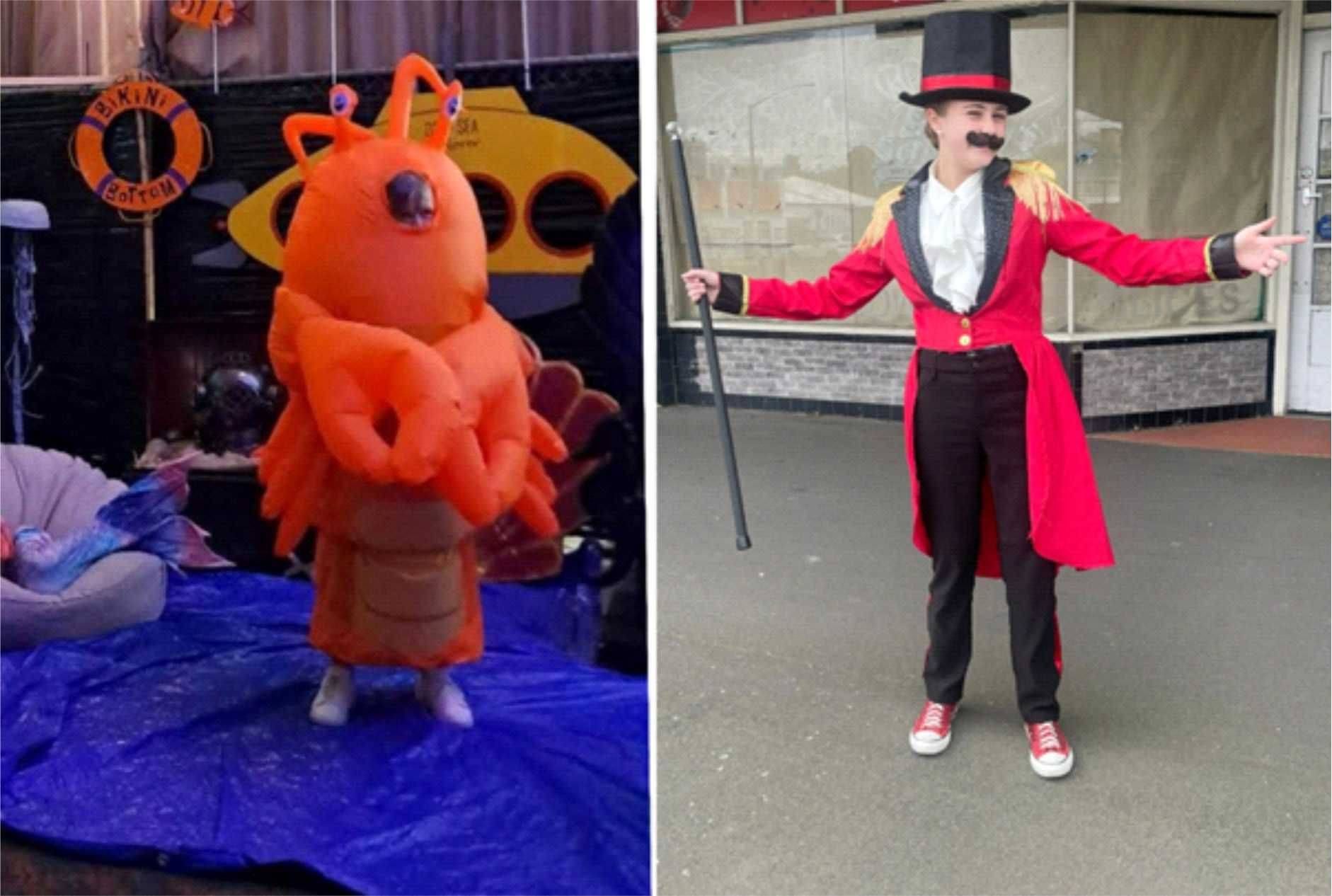
Providing Entertainment
Helping the Linton Skeleton crew at their Halloween event by dressing up and entertaining event guests.
A snapshot of ATC life
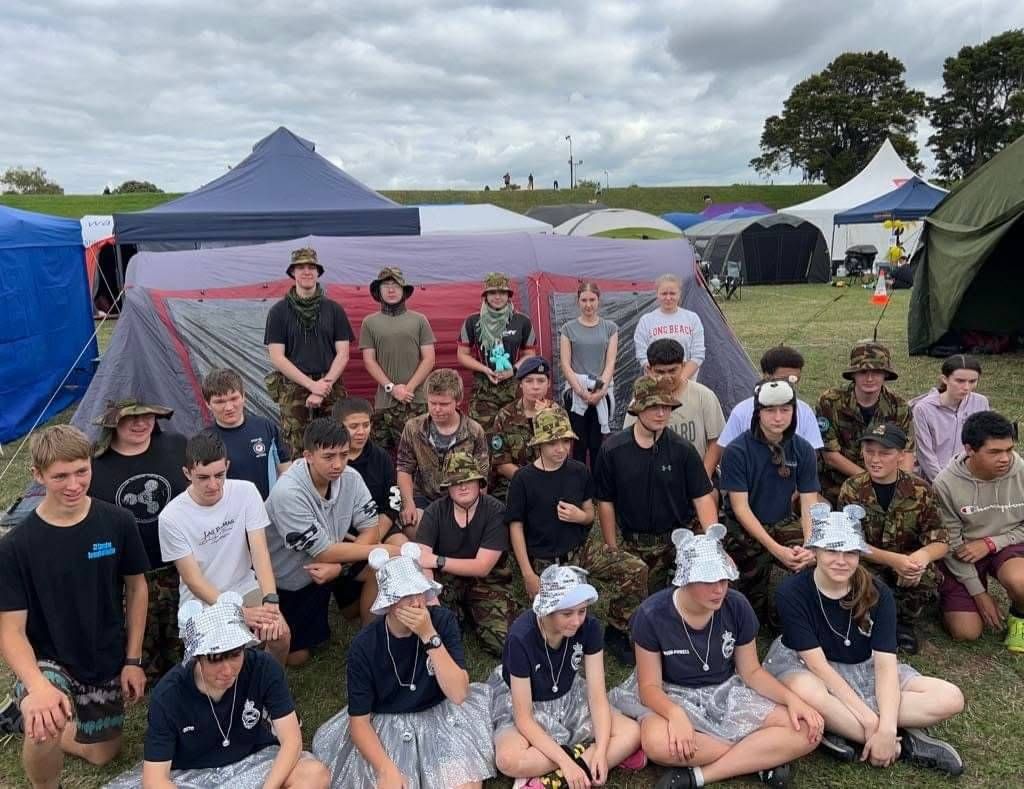
Relay For Life
Our Cadets take part in the Annual 24 hour relay for life event to raise money for the Cancer Society
A snapshot of ATC life
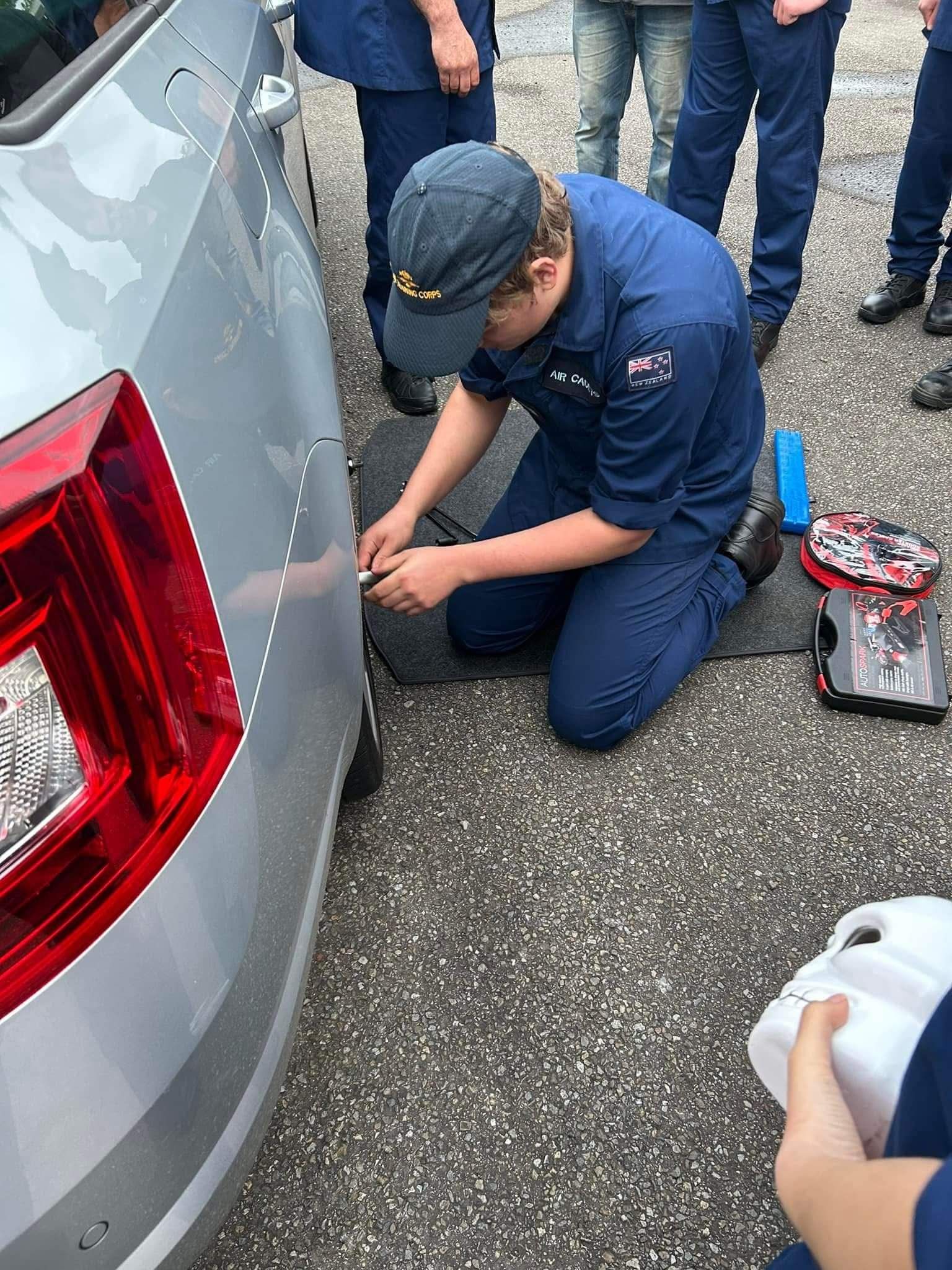
Life Skills
Air Cadets isn't all about Aviation, we also learn practical skills like how to change a tyre
A snapshot of ATC life
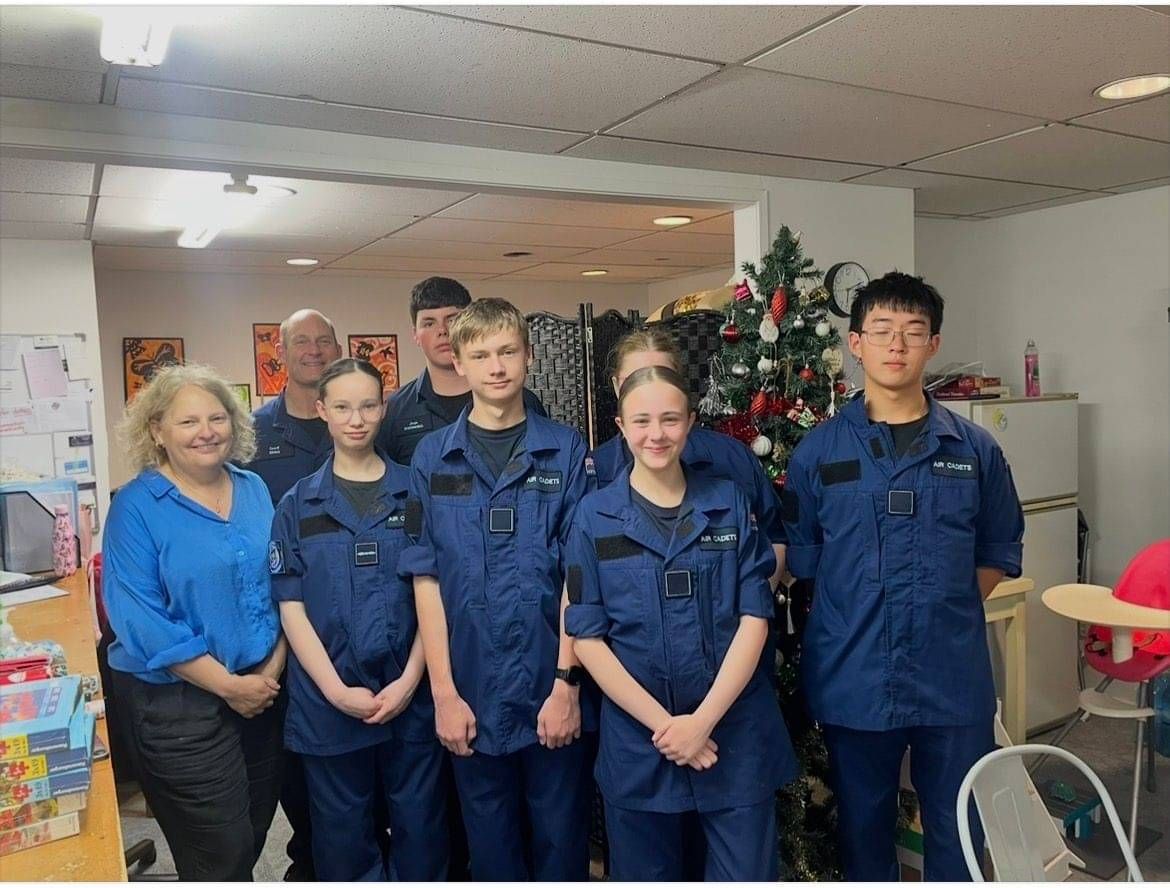
Community Service
Volunteering some time and man power to local organisations to help out
A snapshot of ATC life
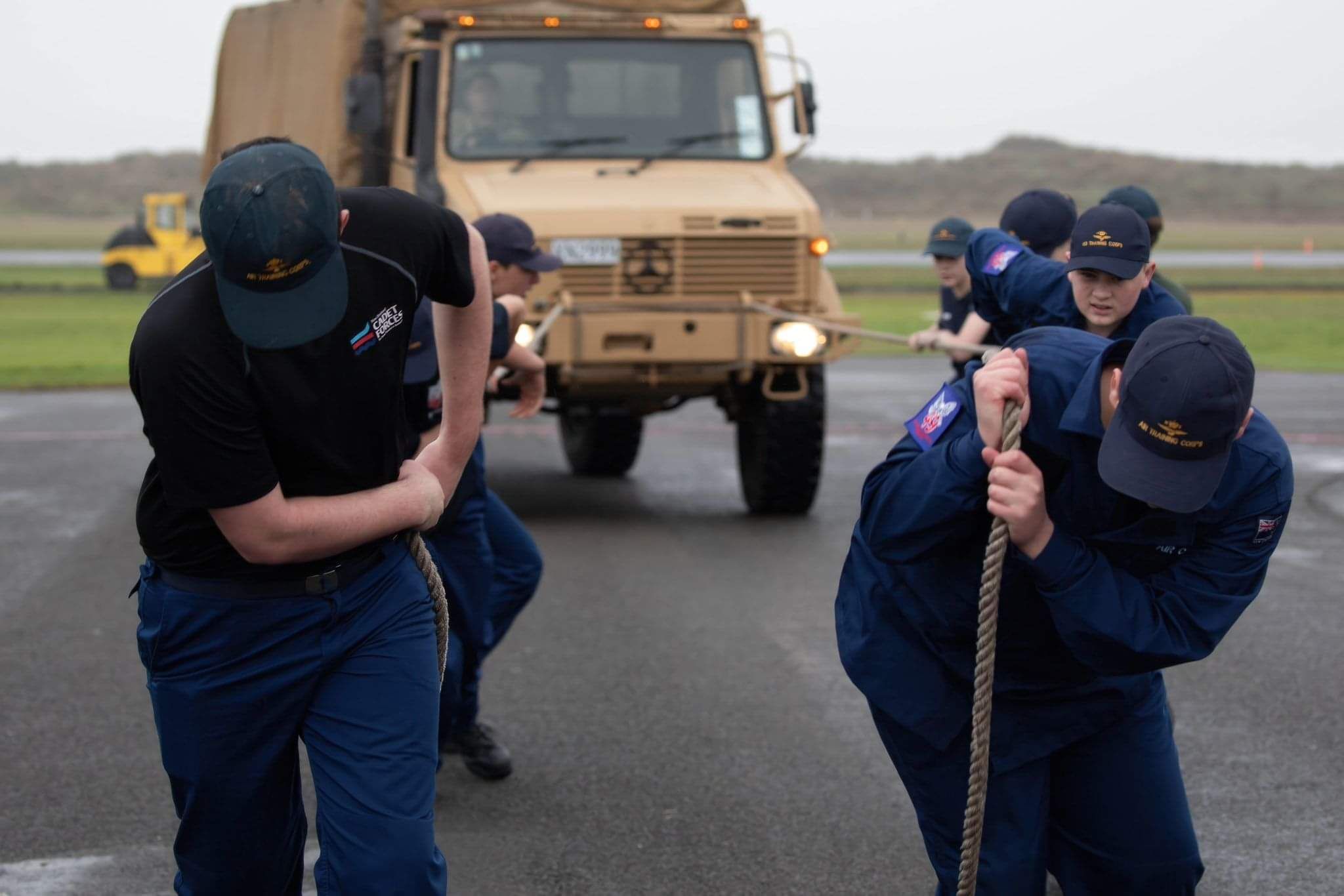
Team Work
Working together to pull a Unimog at the Sky Hawk skills Competition
No. 10 (City of Palmerston North) Squadron, Air Training Corps
PO Box 9013, Terrace End
Palmerston North 4441
We Parade on a Wednesday night 6:15pm - 9pm (during term time) at the Linton Community Centre, Puttick Road, Linton
Contact Us
Please use this form to enquire about joining or ask any questions.

